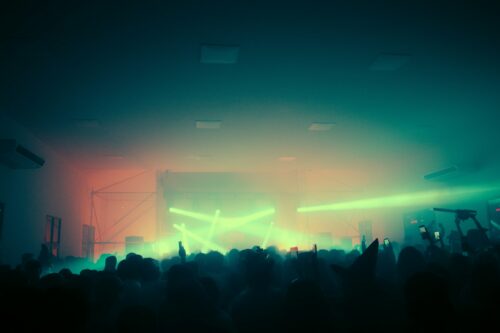

The Space Between Sound and Light
There is a moment in every live show when sound and light stop feeling like separate elements. The bass hits, the stage opens, the beam cuts through the room and the audience reacts as one.
That moment is not accidental. It is designed, programmed and refined.
Lighting is part of the emotional architecture of a show. It gives shape to the music and creates visual tension. It can make a space feel intimate, massive, aggressive, elegant or cinematic.
Listening before programming
Good lighting starts with listening. Every song has its own structure, its own dynamics and its own emotional direction. The lighting programmer has to understand where the energy rises, where it breaks and where the show needs to breathe.
Programming is not just placing effects on a timeline. It is interpreting the music and giving it a visual form.
Adapting to each stage
No two venues are the same. Ceiling height, stage width, rigging options, power distribution, screen placement and audience layout can change the entire visual result.
For this reason, lighting work must be both planned and flexible. The original idea has to survive the reality of the venue without losing its essence.
Building a shared experience
The final result belongs to the audience. They may not know the technical decisions behind each moment, but they feel the impact of them.
When lighting, sound and performance move together, the show becomes more than a sequence of songs. It becomes an experience.
At Guasch LightingTech, we understand light as a bridge between technical precision and human emotion.